 Ministry of the User
43. The ubiquity of waste
One key aspect that the Toyota Production System brings to the world of digital products is the obsession with identifying and eliminating waste.
Even in the Agile world, waste frequently occurs and needs constant identification and elimination.
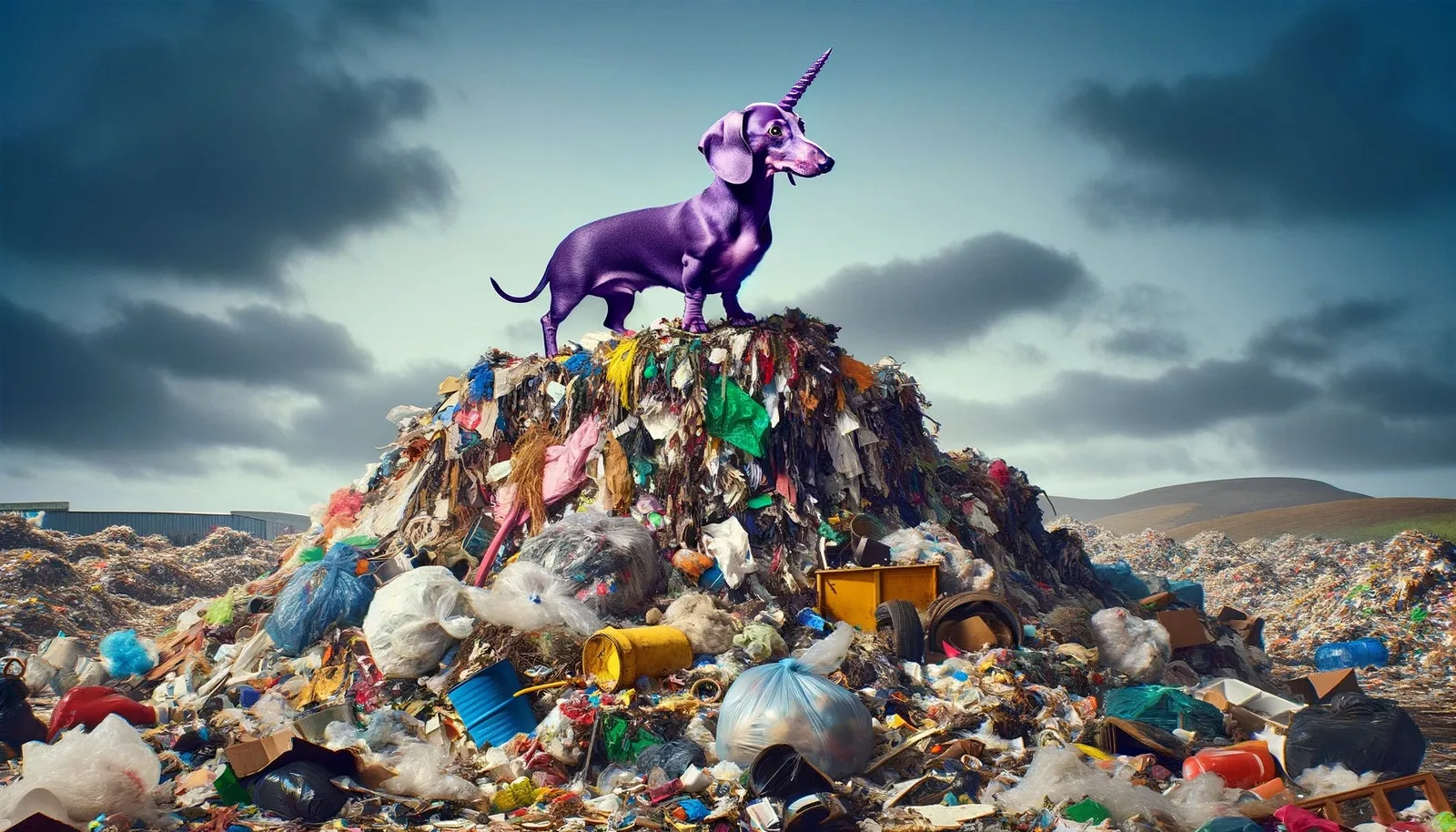
Depending on the author, different types and amounts of waste can be defined. However, a common factor typically exists among them.
Now, the following are the “obvious” wastes:
- Rework
- Waiting
- Inefficient communication
- Unnecessarily complex solutions
- Building the wrong product
But there are others that are somewhat counterintuitive and not often recognized as waste. On the contrary, organizations tend to see them as virtues.
Let’s look at some examples:
WORK “ALMOST” FINISHED:
“We’ve finished the feature, it just remains to be deployed in the coming weeks.” The time between completed software and its production release is waste.
OVER-ENGINEERING:
This involves adding features to a product that will never be used in real life.
For example:
- Preparing software to scale disproportionately.
- Premature optimization.
- Anticipating low-probability, low-impact problems.
TASK TRANSFER:
“Having specialized teams for each topic” is not a characteristic that reduces waste. Task transfer (hand-over) is one of the areas where most time is wasted in documenting the task’s status for another team to understand, or worse, not documenting it and leaving the other team confused.
Waste is the opposite of value. Always remember that their relationship is proportional. That is, the waste we generate on one side is value that isn’t seeing the light on the other.
In other words: 😊
Waste = Value * -1